Why We’re Afraid to Write What We Really Feel
By a chronically overthinking, emotionally allergic aspiring writer
I have a folder on my laptop titled “writing”. Hardly an original title, in fact I honestly think it should be renamed “emotional landmines I’m too scared to edit.”
Inside that folder? Half-written essays, one-page rants, fictional pieces of revenge on the kid who put horse manure in my football boots when I was 14 and much more. There are also the beginnings of songs that got a little too real, and poems I abandoned because I didn’t want to admit I liked poetry for fear of peer-ridicule. There is even a very dramatic Word doc titled “Don’t Read This Unless You’re Crying.”
Spoiler alert: I cry every time I open it.
This isn’t because I’m lazy (well… maybe 33% lazy) or because I am a champion of procrastination. No, it’s because writing what I really feel feels like standing in a field, holding up a sign that says,
“Here’s all my baggage, please douse me in petrol and roast me alive.”
And yet , this is the stuff I want to read from other people. So why is it so terrifying to write it myself?
Time to get this shit off my chest!
The Fear of the “Too Much”
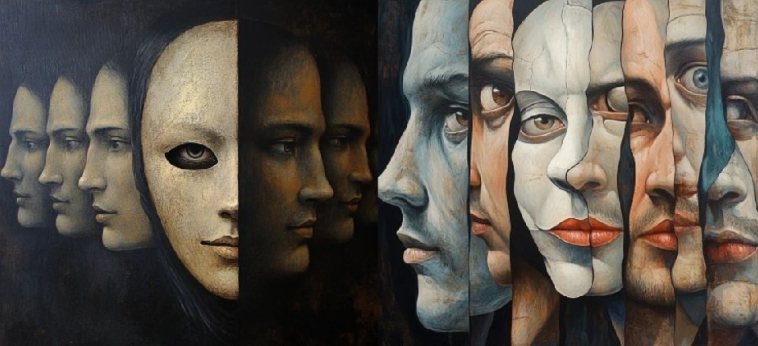
One of the first fears I had when I started writing anything even slightly vulnerable was What if I’m too much?
Too emotional. Too dramatic. Too messy. Too still not over it.
I’d write a sentence like, “I still miss you when the toast burns,” and immediately panic.
Like, who hurt me? More to the point, why am I talking about toast like it’s a metaphor for grief?
But that’s the thing — it is. That’s how my brain works. That’s how a lot of our brains work. We turn burnt breakfast into heartbreak and rainy days into metaphors for our existential dread.
Writers are dramatic by nature. That’s kind of the job description.
But there’s a voice in my head that says “Cool story, but what if everyone thinks you’re unstable?”
So instead of writing the truth, I pivot. I write something safer. Sharper. Detached. Witty, but hollow.
In short, I emotionally ghost my own writing*.*
Who Do You Think You Are?

There’s also the fear that comes with daring to say something important. Writing honestly often feels like standing up in a crowded room and shouting, “Hey everyone! I have thoughts! And feelings! And maybe even opinions that matter!”
Cue imposter syndrome kicking the door in with a megaphone: “Who do you think you are? Tom Wolfe? Charles Bukowski? James Joyce? Sit down!”
It’s easier to play it cool. To write behind a curtain. To stay vague and clever instead of specific and sincere. Because specific is scary. Specific means saying:
- “I’m heartbroken because they left and didn’t even say goodbye.”
- “I’m angry that my parents never asked me how I was doing.”
- “I don’t know if I’ll ever feel good enough to be loved.”
That kind of writing takes guts. It also takes a willingness to be seen — like, actually seen.
And let’s be honest: sometimes we’d rather get a one-star review on Amazon than admit we cried during Paddington 2.
Audience Ghosts and Imaginary Critics
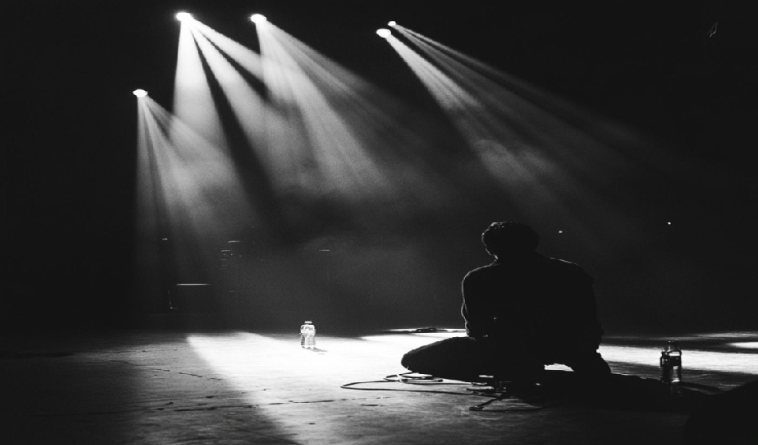
Another reason we censor ourselves is because of imaginary people who live in our heads rent-free.
For me, it’s:
- A vague ex who might somehow read my work and text me, “lol this about me?”
- A close friend who once said, “Maybe you shouldn’t put everything online.”
- My old English teacher, silently judging every adverb (and he would have too!).
These ghost-readers shape what I say — and more importantly, what I don’t say.
I water down truth so it’s more “palatable,” writing like I’m on a first date with my readers instead of in a deep, unfiltered late-night phone call.
But here’s the plot twist: Those people? They’re probably not reading anyway. And if they are? They’re not thinking about it as hard as I am.
(They’re too busy wondering if their ex is going to read their essay probably.)
The Vulnerability Hangover Is Real

Let’s say, by some miracle, you do write what you really feel. You write it raw. You don’t edit out the soft parts. You don’t dodge the feelings.
You hit publish.
And then the vulnerability hangover hits you like a truck full of journal entries.
You start spiralling:
- “Did I overshare?”
- “Does this make me sound unstable?”
- “What if no one relates to this?”
- “What if TOO many people relate to this and now they think I’m their emotional support helper?”
This is what Professor and Author Brené Brown warned us about. Vulnerability is powerful — but it also makes you want to hide under a blanket with mac & cheese.
But here’s what I’m learning. That post-honesty panic? That’s the price of authenticity. It means you wrote something that mattered.
Maybe just to you….maybe to someone else, too.
So Why Do It Anyway?

If writing the truth is this uncomfortable, why even bother? That’s because honest writing is magnetic. It draws people in. It creates connection.
Think about the songs that ripped your heart open. The essays that made you feel seen. The poems you screenshotted and saved for later (for me it’s Philip Larkin’s This Be The Verse).
They all had one thing in common. Someone dared to write what they really felt.
Even if it was messy.
Even if it made them cringe later.
Even if it came from a place of deep, uncomfortable truth.
That’s the kind of writing I want to do. The kind that knows.
And yeah, it’s scary. But so is living a life where your words never get the chance to say what they really mean.
Final Thoughts From a Work in Progress

So here I am;
Still learning.
Still scared.
Still rewriting sentences five times so they sound brave and cool (which, spoiler: they rarely do).
But I’m trying.
Trying to say what I mean. Trying to name the things that scare me (that’s a long list!). Trying to write like I’m not trying to impress anyone — just trying to be honest.
And maybe next time I open that Writing folder, I won’t flinch.
Maybe I’ll finish one of those messy, emotional landmines and send it out into the world….maybe….one day.
Even if it makes my palms sweat.
Because that’s the good stuff. That’s the real stuff.
And maybe — just maybe — that’s what someone else needs to read today, too.
Thanks for reading..