Quadrophenia: The Who’s Magnum Opus — 50 Years Old Today!
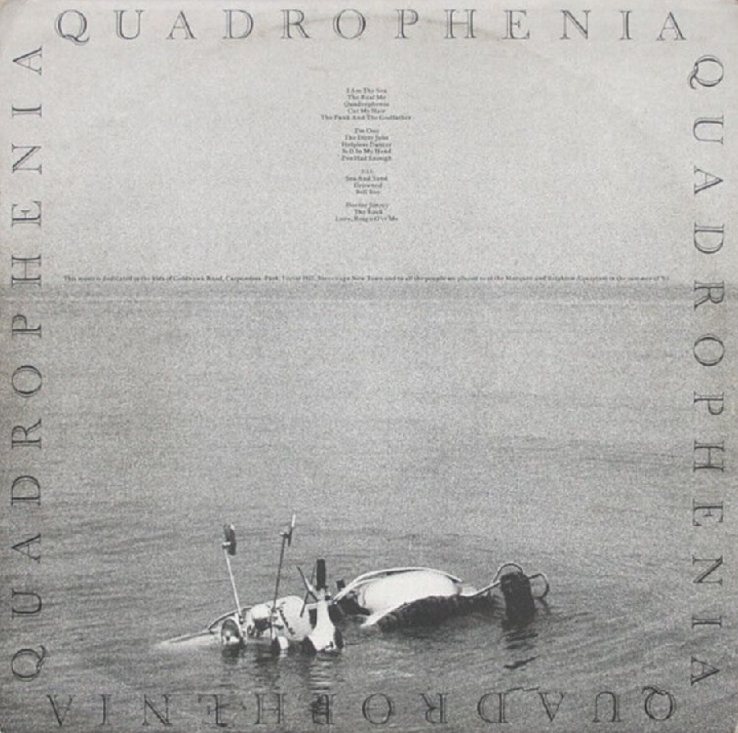
In the pantheon of rock 'n' roll legends, few bands have achieved the enduring cultural significance of The Who. Known for their explosive live performances and timeless anthems, The Who reached the pinnacle of their creative power with the 1973 album "Quadrophenia." This masterpiece not only solidified their status as one of the greatest rock bands of all time, but also served as a profound exploration of youth, identity, and rebellion. So, let’s delve into the multifaceted world of "Quadrophenia," as it celebrates its 50th Birthday.
The Who: Rebels with a Cause
Formed in London in the early 1960s, the band quickly established themselves as a force to be reckoned with. Comprising Roger Daltrey, Pete Townshend, John Entwistle, and Keith Moon, The Who were known for their explosive stage presence and sonic innovation. Their earlier works, including "My Generation" and "A Quick One While He's Away," already hinted at their penchant for delving into the complexities of youth culture.
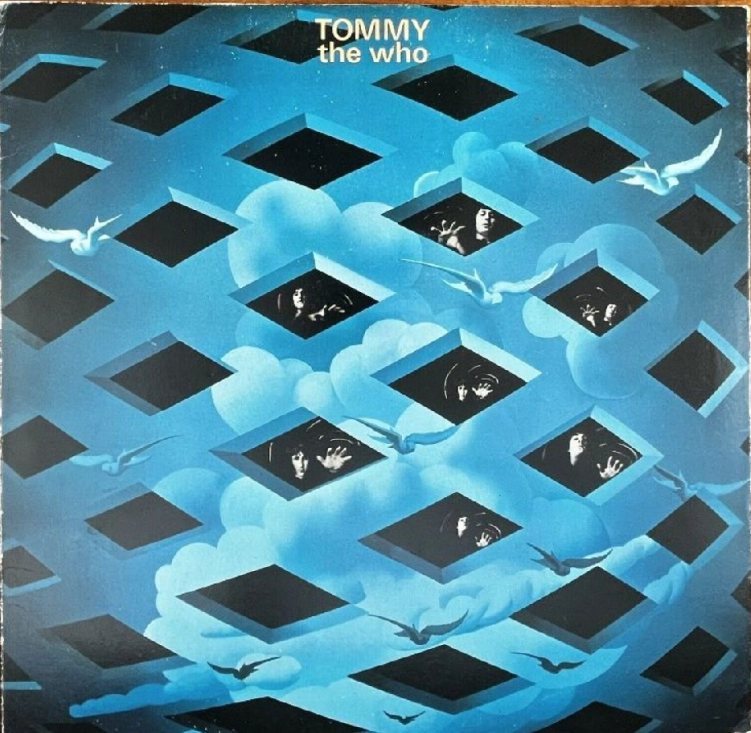
However, it was with "Tommy" in 1969 that The Who first ventured into the realm of the rock opera—a format that would later reach its zenith with "Quadrophenia." "Tommy" explored themes of isolation and transcendence, presenting a character who becomes a messianic figure after experiencing sensory deprivation. This innovative work paved the way for what would come next.
"Quadrophenia": The Concept Album as Art
Released in 1973, "Quadrophenia" wasn't merely an album; it was a double-LP concept album—a sprawling, ambitious opus that told a narrative through its music. At its core, the album explores the life of Jimmy, a young mod from London who grapples with the challenges of adolescence, identity, and societal expectations in the mid-1960s. The album's title is a portmanteau of "quadri-" and "-phrenia," indicating four distinct aspects of Jimmy's personality. These facets are represented by each of the band members: Roger Daltrey as the tough guy, Pete Townshend as the romantic, John Entwistle as the lunatic, and Keith Moon as the beggar.
The album is therefore divided into four thematic sections, each representing a facet of Jimmy's personality, symbolising his quadraphenic struggle. The narrative takes listeners on a journey through Jimmy's experiences as a disenchanted youth, from his struggles with identity and belonging in "Cut My Hair" to his rebellion against authority figures in "The Punk and the Godfather".
Roger Daltrey - Vocals
"I Am the Sea" sets the stage with a crashing wave of sound, foreshadowing the emotional turbulence to come.
"The Real Me" introduces us to Jimmy, a young man trying to find his place in the world, facing the pressures of conforming to societal norms.
At its heart, the album is a narrative of rebellion and the quest for identity. Jimmy's struggle to reconcile the different facets of his personality mirrors the broader societal upheaval of the 1960s. The mod culture, with its emphasis on fashion, music, and scooters, serves as a backdrop to his journey. The clashes between rival cultures, such as the Mods and the Rockers, symbolise the generational tensions of the era.
Pete Townshend - Guitar Jimmy's rebellion against authority figures, including his family and society at large, reflects the defiance of youth in the face of a world they felt was oppressive and hypocritical. The album captures the spirit of an entire generation trying to make sense of a rapidly changing world, where traditional values clashed with the desires and aspirations of youth.
The Music: A Sonic Landscape of Rebellion
"Quadrophenia" isn't just a concept album in terms of its lyrics and narrative; it's a sonic masterpiece. The album showcases The Who's unparalleled musicianship, with Roger Daltrey's powerful vocals, Pete Townshend's virtuosic guitar work, John Entwistle's thunderous bass lines, and Keith Moon's explosive drumming.
John Entwhistle - Bass Guitar
Tracks like "The Real Me" and "5:15" exemplify the band's raw energy and intensity, while songs like "Love, Reign O'er Me" and "Is It in My Head?" reveal their ability to convey deep emotion and vulnerability. "The Rock" serves as a sonic tour de force, with its sweeping orchestration and epic guitar solos.
One of the album's most iconic moments is the climactic scream in "Love, Reign O'er Me," which has become synonymous with Roger Daltrey's vocal prowess and the emotional intensity of The Who's music. It's a moment that encapsulates the raw, unbridled power of rock 'n' roll as a vehicle for catharsis and self-expression.
Keith Moon - Drums
Legacy and Cultural Impact
"Quadrophenia" didn't just capture the spirit of its time; it transcended it. The album's themes of youth, rebellion, and identity continue to resonate with audiences of all ages. Its enduring popularity has led to various adaptations, including a 1979 film adaptation and a 2012 stage adaptation, both of which brought the narrative to new generations.
The album's influence on subsequent generations of musicians is immeasurable. Bands and artists across genres have cited "Quadrophenia" as a seminal work that inspired their own creative journeys. Its exploration of the inner and outer turmoil of youth remains a touchstone for anyone seeking to understand the complexities of adolescence and the search for self-identity.
Conclusion: The Quadrophenic Legacy
"Quadrophenia" stands as a testament to the artistic genius of The Who and their ability to capture the essence of youth, rebellion, and identity in a sonic landscape that continues to reverberate through the annals of rock 'n' roll history. Its enduring relevance is a testament to the universality of its themes and the timelessness of its music.
Happy 50th Birthday Quadrophenia!
Laters!
The Attention Junkie