Neil Young’s Rust Never Sleeps — 45 Years Old Today!
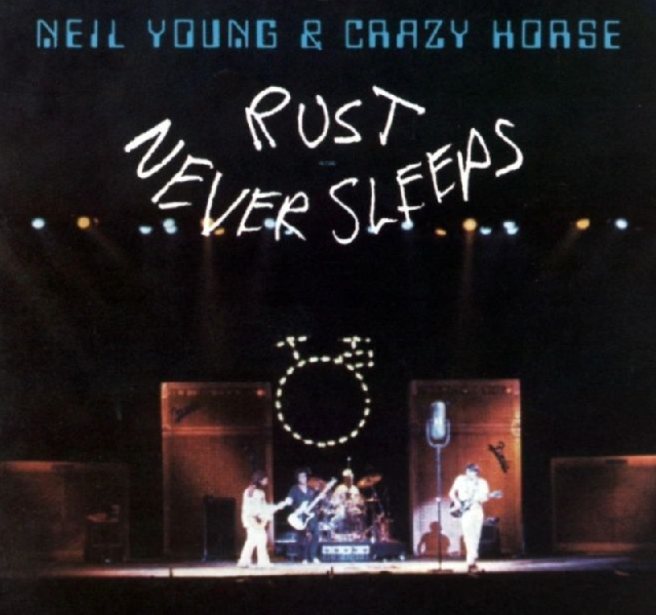
On June 22nd 1979, Neil Young gifted the world with “Rust Never Sleeps,” an album that was not merely a collection of songs but a cornerstone in the chronicles of rock. It harmonised the tunes of Young’s initial forays into music with the anticipation of his yet-to-be-discovered musings. Upon the 45th anniversary of this seminal work, it’s an opportune moment to muse over its origins and the profound tales it tells. It’s a celebration of Young’s creative spark, a gentle prod that reminds us art is about more than reminiscing. It’s about envisioning what’s to come and interlacing our shared history with the threads of the future.
Genesis of the Album
“Rust Never Sleeps” was conceived during a tumultuous period in Neil Young’s career. The late 1970s saw the music industry transformed by the rise of punk rock and new wave. This challenged the dominance of established rock acts. Young, ever the innovator, embraced these changes rather than resisting them, creating an album that honoured his legacy while responding to the new musical landscape.
The title “Rust Never Sleeps” came from a phrase Young encountered through his association with the band Devo. It suggested a relentless, creeping decay that only constant effort could stave off — an apt metaphor for an artist striving to stay relevant. This phrase became a mantra for Young, emphasising the need for continual evolution and innovation.
Structure and Themes
“Rust Never Sleeps” stands out for its heartfelt composition, a tale of two musical worlds. The first chapter is a collection of acoustic stories, each note strummed in the intimate ambience of the Boarding House in San Francisco back in ’78.
It’s like sitting around a campfire, with Young’s voice as the flickering flame. The second chapter electrifies, with Crazy Horse amplifying the energy, a testament to Young’s enduring bond with his legendary band. This blend captures the essence of Young’s artistry — his soulful folk roots and his indomitable rock ’n’ roll spirit.
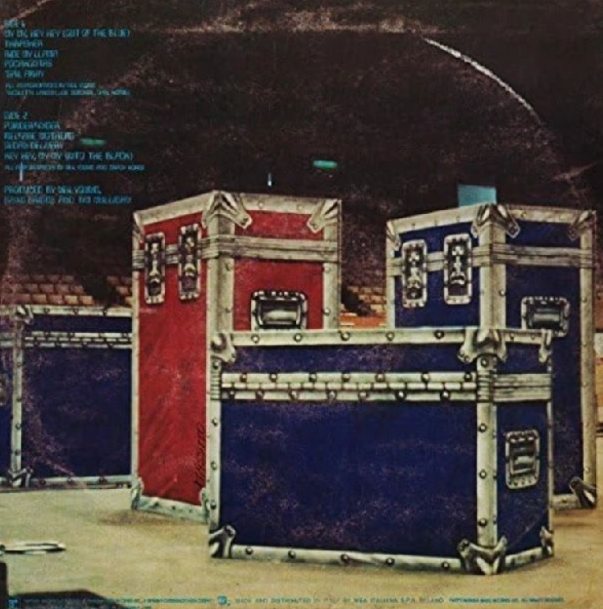
Side One: Acoustic Brilliance
The acoustic melodies of the album begin with the haunting “My My, Hey Hey (Out of the Blue).” It’s a song that whispers the essence of the entire compilation. The words, “It’s better to burn out than to fade away,” resonate as a battle cry. They capture the unyielding spirit of the times. This piece, along with others, dances with the notions of renown, heritage, and the relentless march of time.
Following is “Thrasher,” a song that feels like a confessional from Young’s heart, reflecting his disenchantment with the music scene and his peers. It’s a masterpiece of words, painting a landscape of vivid pictures and reflective thoughts. The storytelling rhythm and the richness of its poetry underscore Young’s gift for crafting songs.
Among the other gems is “Ride My Llama,” a whimsical odyssey through the corridors of Young’s creativity, and “Pocahontas,” a song that intertwines historical allusions with modern-day reflections, creating a mosaic that challenges the narratives of American folklore.
Side Two: Electric Fury
As the album progresses it takes a sharp turn, plunging into the electrified intensity of “Powderfinger.” This composition is frequently hailed as one of Young’s crowning works, telling the eerie tale of a young man confronted with the end of his life. The unbridled force of Crazy Horse’s musical arrangements, coupled with Young’s passionate vocals, renders this piece a memorable one.
The tracks “Sedan Delivery” and “Welfare Mothers” maintain a high-voltage charge, fusing coarse, compelling beats with verses that question the established social order. These pieces exhibit Young’s knack for infusing his music with unfiltered vigour and insurgent zest, placing him in harmony with the punk movement of that era.
Concluding the album is “Hey Hey, My My (Into the Black),” an electrified echo of the initial melody, transforming the acoustic whispers into a thunderous roar. This metamorphosis from the gentle to the bold accentuates the album’s message of endurance and the recurring patterns of existence and creativity.
Production and Reception
Crafted by Neil Young alongside David Briggs, “Rust Never Sleeps” resonates with a gritty, unrefined essence that mirrors the rawness and fervour of Young’s stage shows. Opting to capture many of the pieces in a live setting, and then fusing them with studio enhancements, bestowed the album with a genuine and direct quality, a contrast to the highly polished studio albums typical of the late ‘70s.
At the time of its debut, the album garnered widespread praise from both critics and enthusiasts. Rolling Stone magazine lauded it as “Neil Young’s most enthralling work in recent memory.” It has been celebrated as one of his definitive works. The album’s pioneering format, profound lyrical narratives, and eclectic musical range have cemented its status among the echelons of rock music’s finest.
Legacy and Influence
As the years roll on, “Rust Never Sleeps” remains a cherished echo in the soundtrack of our lives, continuing to spark creativity in the hearts of both seasoned and budding musicians. The album delves into timeless themes — our journey through life, the search for meaning, and a steadfast dedication to the true essence of art.
These themes resonate deeply, just as they did 45 years ago, touching the soul of the listener. The melodies are not merely replayed; they are reborn, reinterpreted, and serve as a beacon of inspiration across the diverse expanse of the musical world. The lasting influence of “Rust Never Sleeps” stands as a powerful tribute to its significant role in shaping the musical narrative, affirming that genuine artistry knows no bounds and is forever engaged in a dialogue with the ages to come.
Influence on Grunge and Alternative Rock
“Rust Never Sleeps” throbbed with a raw, earthy sound and contemplative words that became the heartbeat of the grunge movement in the dawn of the ’90s. Bands like Nirvana and Pearl Jam tipped their hats to Neil Young, citing him as a pivotal muse for their own sonic revolutions.
The haunting echo of “It’s better to burn out than to fade away” in Kurt Cobain’s final message is a stark testament to Young’s profound resonance. His daring fusion of the gentle strumming of acoustic strings and the electrifying charge of electric riffs laid down the tracks for the diverse soundscape that would come to define alternative rock. Young’s music wasn’t just a collection of notes and lyrics; it was an experience, one that etched itself into the soul of the genre and its followers.
Cultural Impact
The album explores the American story, from the myths in “Pocahontas” to the struggles in “Welfare Mothers.” It reflects on society, providing insights that are still relevant. The album’s title highlights the relentless passage of time and the importance of constant reinvention to avoid decay. It reminds us to keep moving forward to stay relevant.
Personal Reflection
For countless listeners, “Rust Never Sleeps” is far more than a mere playlist; it’s the melody to their life’s story. Its messages of enduring strength and the power of starting anew strike a profound chord, providing comfort and motivation as the years roll by. The album’s remarkable ability to connect with people across different ages is a shining example of Neil Young’s extraordinary talent as both a lyricist and a musician.
Looking back on the 45th anniversary of “Rust Never Sleeps,” it becomes evident that this work is not just a significant chapter in Neil Young’s journey. It’s also a cornerstone in the edifice of rock music. With its tender acoustic moments and fierce electric surges, the album encapsulates the very spirit of Young’s musical identity, while its exploration of themes like decline and rebirth offers enduring wisdom about life itself.
Conclusion
“Rust Never Sleeps” remains powerful 45 years after its release. The album not only captures its era, it also offers deep reflections on creativity and existence. Revisiting this pivotal work, one can appreciate its musical brilliance and honour an artist dedicated to transformation and exploration. It’s a celebration of a spirit that refuses to stagnate, keeping the flame of innovation and introspection alive in music and beyond. Neil Young’s journey reminds us that art is ever-changing, urging us to stay engaged as time marches on.
Thanks for reading!
The Attention Junkie