Everyone Has a Book in Them (That's the Easy Part)

There's a line often attributed to the late journalist and critic Christopher Hitchens: everyone has a book in them, and in most cases that's where it should stay.
I laughed when I first heard it. He probably had a point. Ironically, the second time I heard it, I'd just finished a draft of my own, and I laughed a bit less.
The quote always makes me laugh; it's half true, after all. On the other hand, I think it gets the important half wrong.
The case for the prosecution
To be fair to Mr Hitchens, a lot of first books are bad. Without wishing to be obvious, I'd like to think mine, Abby & Me, doesn't fall into this category. I think it's a fair first attempt. But I also think it hasn't aged well, and in places the writing is a bit naïve, the way most first books are.
A lot of first drafts indicate what a character feels instead of letting the reader work it out for themselves. What works better, being told a character is angry or having that same character slam a door? The former spoils the reading process. The latter is a bit more dramatic. Having said that, I probably still do it at times. Well, no one is perfect, are they?
Some first drafts will also have a chapter that exists only because the writer did some research and didn't want to waste it.
None of that is a crime. It's just what a first attempt looks like.
I have spent many years playing guitar in bands. Now, one thing we should note is that no working musician gets good playing in private. I learned on stage, in front of real people. At times it was akin to standing in front of an audience with your pants down. The bum note in the quiet bit. Starting a song in the wrong key. I have played gigs where there were eleven people in the room, four of whom were the other band. The fact is, you tune in, turn on, and let people watch you get it wrong.
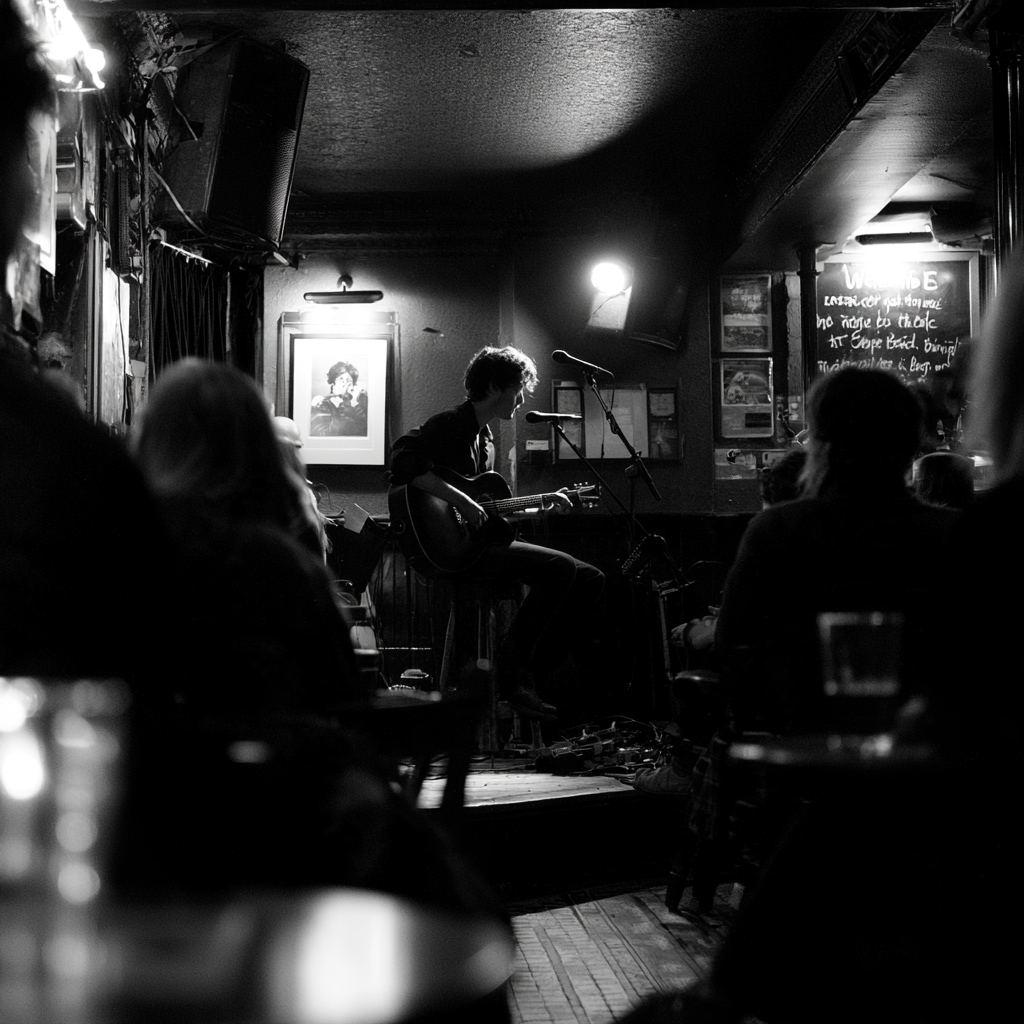
For me there is no difference in writing. Hang on, I'm wrong. There is one vital difference. A bad gig is forgotten the next day, thrown out of the van window as you hurtle towards your next gig. A book, however, well, that stays on the shelf, naïve bits and all. Abby & Me is still out there; it's been out there for some eleven years now. I wouldn't write it the same way now. But then I don't play guitar the same as I did back then. One thing that is ever present, though, is the trepidation that pours over you when you publish your first book. That feeling never goes away. Makes one wonder why one bothers at all, doesn't it?
The bit the joke gets wrong
So, back to Mr Hitchens's quote. Everyone does have a book inside them. We all have a wealth of material stored away in a little room in our heads. A childhood street. A bad job. An employer who deserved a whole novel to himself. A relative who told the same story at family gatherings and changed it every time.
I am sure most of the people I have met have a story worth telling. I know I have met plenty of people who never finished telling one. The only thing stopping everyone is 'getting it out there'.
Some might think the only way to achieve this is to have talent, inspiration, or a stay at a writing retreat in Tuscany. It's clearly not. The simple fact is that it's stamina. To turn up when you least feel like it. To turn the TV off, turn to the pen and paper (OK, laptop) and begin. And once you've begun, make sure you 'stay in the room'. Make sure you finish the thing, even if you think it's rubbish.
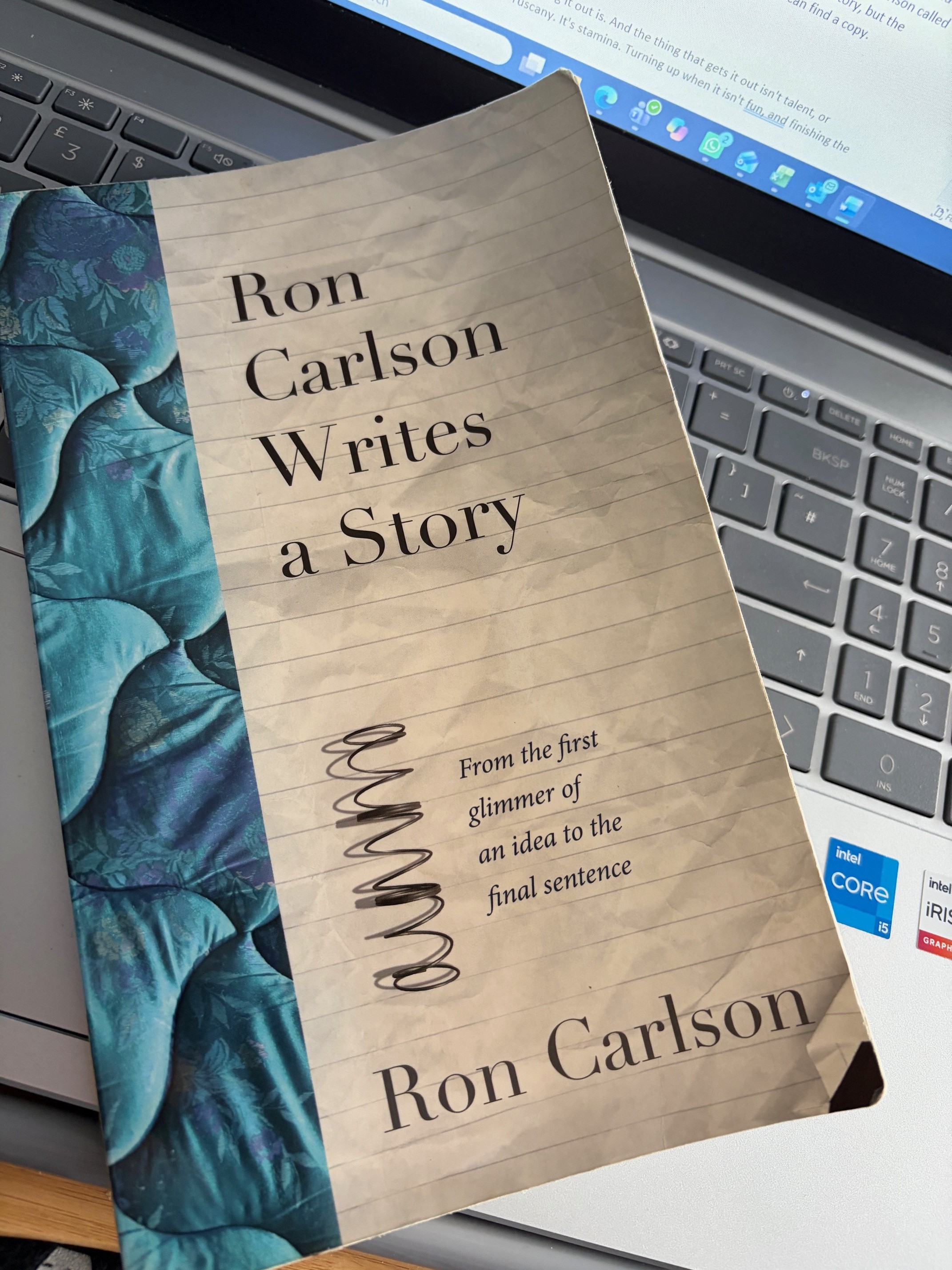
Note: There is a great book by author Ron Carlson called Ron Carlson Writes a Story. The idea of the book relates to writing the perfect short story, but the sentiment of staying in the room applies to a full novel too. I recommend it if you can find a copy.
Three things finishers do
After five books, I still don't have a secret. I have to constantly remind myself of the rules (not something I care for, or about, of course). One thing I have noticed, though, is what separates the people who finish from the people who are still "working on something" ten years later.
- They write rubbish first. A first draft is there purely to exist, not to be good. Think of it as the framework. Bare, almost skeletal. Remember, you can fix a bad page. You can't fix a blank one. Even your favourite writers have drawers full of unseen chapters, unseen because they're so poor.
- They turn up, even when it's dull. Forget the muse. It's about habit. Write five hundred words before work. Grab an hour after the kids are in bed. Most days it isn't exciting, and that's the point. Putting it simply, a book is really just a lot of ordinary days stacked on top of each other.
- They finish before they fix. It's a fair bet that the most common unfinished novel has a beautifully polished first chapter followed by nothing. As our friend Ron says, stay in the room; make sure you push on to the end, however ugly it gets. You'll rewrite the opening anyway once you know what the book is about.
So, do you have a book in you?
The answer is probably yes. The question is whether you're willing to wrangle with it long enough to drag it out. I won't lie, that can be painful at times. But drag it out you must. Bring it kicking and screaming, with bad punctuation and grammar, into the daylight.
So, if you're up for it, why not start this week? By starting, I don't mean signing up for a writing course or buying a new notebook, both great examples of procrastination, of course. Go and start. Write that first page. And then the next, and the next.
And if you want a hand keeping track of the whole mess, I've built some free tools for exactly that, including a Plot Braider for juggling storylines and a Submission Tracker for when you're brave enough to send it out. They're at tools.michaeljphillips.co.uk.
Hitch might have been right in that most books should stay inside. But he never said yours was one of them.
 The Attention Junkie